




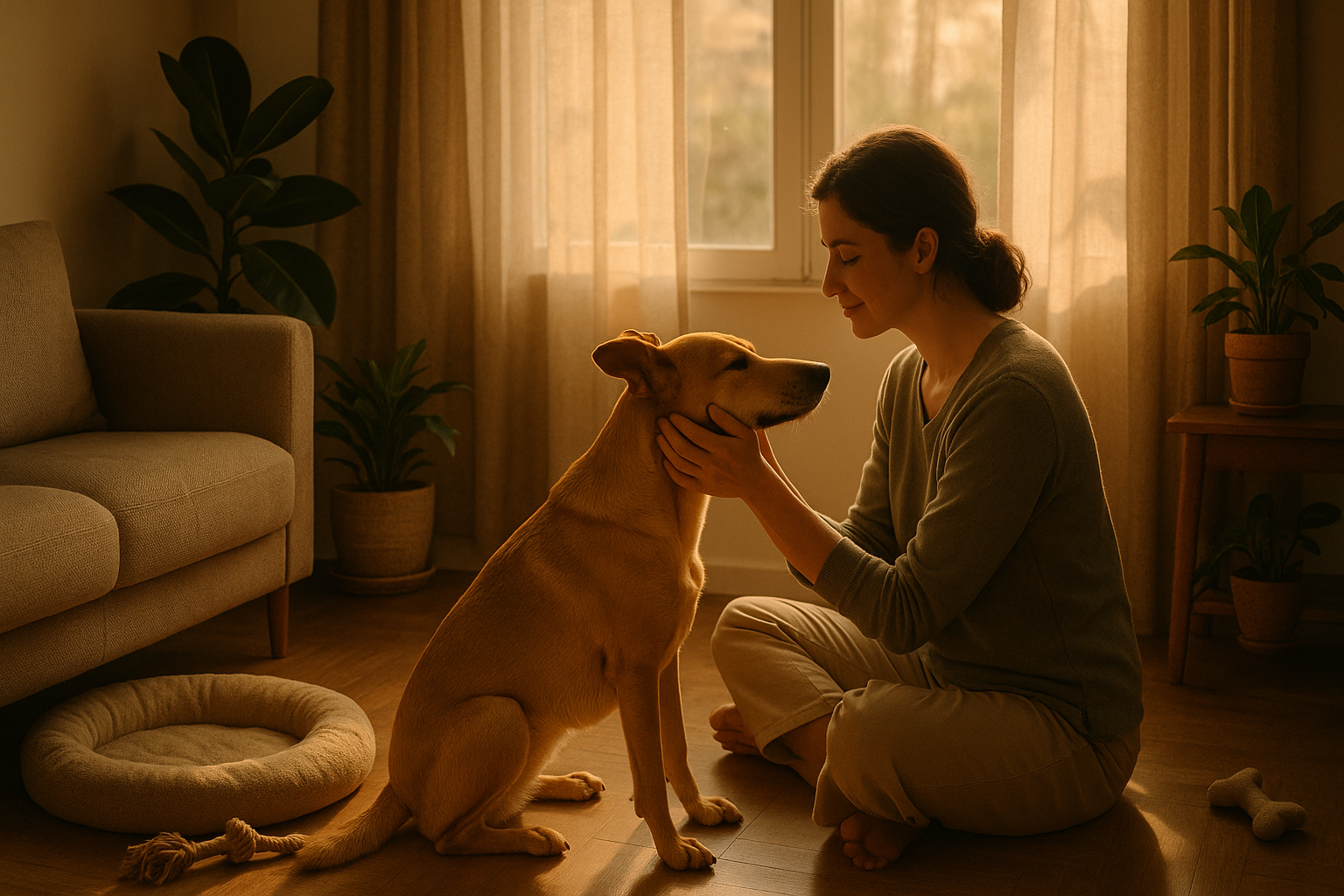
Anyone who has lived with a pet knows that they feel, react, and respond to emotions in ways that are unmistakably human. A dog that sulks after being scolded, a cat that hides when tension fills the room, or a bird that stops chirping when its owner is sad are all quiet reflections of emotional intelligence. Pet emotions are not a fantasy. They are a real and vital part of what makes our bond with animals so deep.
For a long time, pet care meant focusing only on the physical side of things: food, exercise, vaccinations, and grooming. But as we learn more about animal behavior, pet wellness now includes something bigger. It involves understanding that pets have emotional worlds of their own. Just like us, they experience happiness, anxiety, and even sadness. Their moods influence their appetite, their sleep, and how they interact with us. Acknowledging this emotional side has become an important part of responsible pet care.
Today’s world has made emotional balance harder for both humans and animals. Loud sounds, shifting routines, long working hours, and too much stimulation can leave pets confused and uneasy. Many spend hours waiting for their families, picking up on our energy without us realizing it. Studies in animal behavior show that dogs and cats often mirror their owners’ stress levels, reflecting either calm or anxiety based on the home environment (Graham & Wells, 2005, Applied Animal Behaviour Science; Wells, 2006, Journal of the American Veterinary Medical Association). This emotional mirroring means our moods directly affect their pet wellness.
Understanding pet emotions is not about turning them into humans. It is about recognizing that animals feel deeply, even without words. A calm home, gentle handling, and predictable patterns help them thrive both emotionally and physically. This connection between emotional and physical health lies at the core of modern pet wellness.
Alongside empathy and observation, there are growing ways to support emotional calm in pets. One of the emerging methods is aromatherapy for pets, which focuses on using gentle, safe scents to create peaceful surroundings. In this blog, we will explore how emotions and wellness connect, while in the next, we will learn how scent-based care like aromatherapy can become part of mindful pet care.
What Shapes Pet Emotions: Everyday Triggers and Environmental Stress
Emotions in pets are shaped by their surroundings, routines, and relationships. They do not develop anxiety or calmness out of nowhere. Everything they see, hear, and feel contributes to how secure or unsettled they become. Understanding these everyday triggers is the first step toward improving pet wellness.
Noise is one of the most common emotional stressors for animals. Traffic, fireworks, loud television sounds, and home construction can easily overwhelm them. Dogs often express this discomfort by barking, pacing, or hiding, while cats may withdraw completely or overgroom as a way to cope. What feels like ordinary background noise to us can sound unpredictable and frightening to them.
Another factor is routine, or rather, the lack of it. Pets rely on rhythm. When walks, meals, or sleep happen at irregular times, they lose their sense of control. This disruption may not seem serious at first, but repeated inconsistency leads to tension and behavioral shifts. Regularity brings predictability, and predictability builds emotional safety. A stable routine is one of the simplest and most powerful ways to support pet care and long-term pet wellness.
Loneliness is a major emotional challenge for many urban pets. Hours spent waiting for their family members can make them restless and anxious. Dogs may chew furniture or whine for attention, while cats might stop eating or become distant. This behavior is not mischief. It is communication. They are expressing emotional discomfort that stems from isolation.
The emotional climate of the home also plays a huge role in shaping pet emotions. Animals are remarkably sensitive to human moods. When the atmosphere is calm, they relax. When there is tension, anger, or sadness, they feel it too. Studies in animal welfare show that dogs and cats often share their caregivers’ stress responses, mirroring hormonal changes like increased cortisol (Frontiers in Veterinary Science, 2020). This connection explains why emotionally balanced homes lead to healthier, more secure pets.
Lastly, overstimulation from gadgets, bright lights, or crowded spaces can lead to silent stress. Pets need moments of quiet to process their environment. Without it, their senses stay in overdrive, affecting sleep, digestion, and behavior. Allowing pets to retreat to quiet, familiar corners gives them time to reset emotionally.
When pet parents learn to recognize and minimize these triggers, they create conditions where emotional balance becomes possible. Addressing small, daily stressors makes a huge difference to overall pet wellness, building the foundation for calm, confident companionship.
How Emotional Stress Affects Pet Wellness
When pets experience emotional stress, it does not stay confined to their mood. Just like in humans, emotional strain has physical effects that can quietly build over time. Stress changes how the body functions, affecting appetite, immunity, and energy. Understanding this connection between mind and body is crucial for complete pet wellness.
Whenever a pet feels anxious or threatened, their body releases cortisol, the main stress hormone. This reaction is natural and helps them respond to immediate challenges. A short burst of stress, such as during a loud sound or an unfamiliar visit, is not harmful by itself. The problem arises when these stress signals continue for long periods. Chronic stress keeps cortisol levels high, which disrupts the immune system, digestion, and even skin health.
Pets may start showing small but clear signs that their emotional balance is slipping. Some eat less or lose interest in play. Others may sleep excessively or struggle to settle down. Dogs might develop destructive chewing habits or excessive licking. Cats may overgroom or isolate themselves. These are not random behaviors but symptoms of deeper emotional discomfort.
The physical consequences of prolonged anxiety are well-documented. According to research in Veterinary Sciences (2021), chronic stress can lead to hormonal imbalances, slower healing, and a higher risk of illness. In another study published in Animals (2023), stress was linked to gastrointestinal and dermatological issues in pets, showing how emotional distress can take a toll on the body. In simple terms, when the mind stays unsettled, the body begins to show it.
Supporting emotional calm has measurable benefits for pet care. When pets feel safe and relaxed, their bodies naturally return to balance. Cortisol levels drop, appetite improves, and immunity strengthens. You may notice that a calm pet digests food better, plays more willingly, and sleeps more deeply. These small improvements add up to better overall pet wellness.
Creating an emotionally stable environment does not require elaborate changes. It starts with empathy, gentle routines, and consistent reassurance. Pets thrive on signals that they are understood and secure. By paying attention to how emotional stress manifests in their behavior, we can act early to restore peace before it turns into long-term anxiety.
Emotional health is not separate from physical health. It is an integral part of pet wellness and must be treated with the same care as diet, grooming, or exercise. The calmer the mind, the healthier the body, and the stronger the bond between pet and parent.
Understanding Pet Behavior: The Language of Emotions
Every animal has its own emotional vocabulary. They may not use words, but their actions, posture, and sounds express feelings just as clearly. Learning to read this language is one of the most important aspects of good pet care, because it helps you understand what your pet is trying to communicate long before stress becomes a serious problem.
Dogs often show emotional tension through movement. Pacing, yawning, licking their lips, shaking off after a tense moment, or tucking their tails are common signs of discomfort. These gestures may seem small, but together they form a clear pattern that something feels wrong. When dogs lower their ears, avoid eye contact, or keep their bodies low to the ground, they are expressing insecurity. Recognizing these cues helps you intervene early with calm reassurance rather than correction.
Cats communicate their emotions through subtle shifts in body language and behavior. Flattened ears, a twitching tail, dilated pupils, or hiding in enclosed spaces are all signs of unease. When cats start overgrooming or avoiding food, it often means they are seeking control in a situation that feels unpredictable. Unlike dogs, cats often manage their emotions in solitude. They need space before they can return to normal. Respecting that space is a sign of compassionate pet care.
Vocal cues add another layer to understanding pet emotions. A dog that whines, barks more than usual, or suddenly becomes quiet is reacting to emotional tension. Similarly, cats may meow in shorter tones, hiss, or grow silent when anxious. These sounds are not misbehavior. They are communication. Responding with patience and a soft voice helps them feel safe and understood.
It is also important to notice changes in posture or energy levels. A normally playful dog that becomes distant, or a curious cat that suddenly hides, is sending a message. Emotional withdrawal is often a cry for reassurance. Gentle interaction and predictable routines can help rebuild confidence.
By observing closely, pet parents begin to notice emotional patterns unique to their animal. Some pets are sensitive to new environments, while others react to human emotions more deeply. The key is awareness. When you learn to listen to your pet’s emotional language, you improve their pet wellness and prevent many behavioral issues before they escalate.
Understanding behavior through emotion turns pet care into a partnership built on empathy. The more clearly you read what they are trying to say, the safer and more balanced their world becomes.
Recognizing Emotional Distress in Common Situations
Even the most confident pet can feel unsettled when faced with certain situations. Recognizing these emotional patterns early is vital for maintaining long-term pet wellness. Most triggers that cause stress are not unusual. They appear during everyday life, yet each one affects a pet differently depending on their temperament, past experiences, and bond with their parent.
Separation anxiety is among the most common emotional struggles. Dogs that form deep attachments to their owners often panic when left alone. They may bark persistently, scratch doors, chew furniture, or soil the house. Cats, although less expressive, might stop eating or overgroom in their owner’s absence. These actions are not acts of defiance but signs of emotional pain. They stem from fear and confusion about whether their person will return. Creating predictable leaving and returning routines helps ease this anxiety and reinforces trust.
Noise anxiety is another major stressor that affects many pets living in busy environments. Thunderstorms, fireworks, loud traffic, or even vacuum cleaners can provoke fear. Dogs may tremble, pant, or hide, while cats often vanish under furniture or into closets. This fear is linked to their heightened hearing and natural instinct to seek safety during chaos. Offering a quiet space, soft background sound, and calm body language during such moments helps them cope.
Travel anxiety commonly arises when pets associate car rides or carriers with discomfort, such as vet visits. Symptoms include drooling, panting, shaking, or resistance to getting inside the vehicle. Gradual desensitization and associating travel with positive experiences, like short pleasant drives, can rebuild comfort and make trips less stressful.
Vet and grooming visits are necessary but can be emotionally taxing. The strange smells, handling, and equipment can trigger fear responses. Pets might shake, resist being touched, or attempt to hide. Gentle preparation, familiar scents, and calm energy from the owner help reduce tension. Over time, introducing the pet to these situations slowly can make them less intimidating.
Changes at home, such as moving, introducing new pets, or welcoming guests, can also disrupt emotional stability. Cats are particularly territorial and may react with withdrawal or aggression. Dogs might bark excessively or display guarding behavior. These are emotional defenses, not misbehavior. Giving them time to adjust, along with reassurance through steady routines, helps restore balance.
Recognizing pet emotions in these situations transforms how we respond. Instead of reacting with frustration, we can provide understanding and consistency. Awareness allows us to design environments and routines that nurture security and confidence. Emotional steadiness, once achieved, supports every aspect of pet care and leads to better overall pet wellness.
Building a Foundation of Pet Care for Emotional Balance
The foundation of emotional stability begins with consistent, compassionate routines. A structured daily rhythm helps pets feel secure, while kindness in communication reinforces trust. When pets know what to expect, they are less likely to feel anxious or reactive. Building this emotional groundwork is the simplest and most reliable path to lasting pet wellness.
Start with routine. Pets depend on patterns. Feeding, walking, and sleeping at similar times each day brings predictability to their lives. This consistency communicates safety and reliability. Sudden changes or irregular schedules can make them uneasy. Just like people, animals thrive when their world feels stable and familiar. Regular timing builds emotional balance, which is essential to good pet care.

Creating a safe space is another key part of emotional well-being. Every pet needs a quiet spot they can retreat to when the world feels overwhelming. This could be a corner with a soft blanket, a crate with familiar scents, or a sunny spot by the window. The goal is to provide a sense of control. When pets know they can choose solitude, they learn self-regulation, which is a vital part of pet wellness.
Positive reinforcement is one of the most powerful tools in emotional care. Rewarding calm and confident behavior helps pets understand what makes them safe. Harsh corrections, shouting, or punishment only deepen fear. A gentle voice, steady body language, and patient guidance create trust over time. Emotional safety begins with how we respond to their needs, not how we control their behavior.
Play and exercise also play a crucial role in emotional regulation. Dogs release tension through movement, while cats express curiosity and instinct through play. Interactive toys, sniff walks, or short fetch sessions stimulate their senses and relieve stress. These activities also strengthen the bond between pet and parent, improving overall pet wellness.
Equally important is communication. Pets are experts at reading tone and energy. They respond not to the words we use but to how we say them. Calm tones and relaxed gestures are more effective than commands shouted in frustration. Every moment of connection, feeding, grooming, or cuddling, can either build confidence or break it. Conscious interaction is at the heart of compassionate pet care.
Lastly, emotional wellness includes patience. Not every behavior changes overnight. Some pets need time to unlearn fear and build new associations. Celebrating small signs of progress encourages growth. With patience, structure, and empathy, emotional balance becomes part of daily life.
When these foundations are practiced consistently, pets begin to mirror that calm energy. They eat better, rest deeper, and show more curiosity and affection. Balanced emotions create healthy bodies. Emotional care is not separate from pet wellness; it is the very base on which all good pet care stands.
Moving Towards Mindful and Balanced Pet Wellness
Caring for a pet is much more than feeding them on time or keeping them clean. It is about noticing their moods, reading their signals, and shaping an environment where they feel safe and understood. When we treat pet emotions with the same attention we give to their diet or exercise, we create the conditions for genuine pet wellness.
Every small act of kindness contributes to emotional stability. Predictable routines, calm voices, and gentle reinforcement tell pets that their world is steady and kind. Over time, this emotional security strengthens their confidence and deepens your connection. True pet care begins here, in the quiet consistency of daily life.
As more pet parents begin to recognize the emotional depth of their companions, the meaning of wellness is evolving. It now includes peace, comfort, and trust, not just physical health. Creating this sense of calm is an act of love that reflects back in every wag, purr, and gentle nudge.
In the next blog, we will explore how to bring that calm into everyday life. You will learn how to create an evening ritual that helps pets wind down naturally, using light, music, and gentle surroundings to strengthen the sense of safety they crave. Building on what we have discussed here, we will see how environment becomes care, and how a peaceful space supports emotional balance.
A calm home does not just soothe pets. It heals everyone who lives in it.
Disclaimer:
The information shared in this blog is for educational and awareness purposes only. It has been compiled from credible sources to help pet parents understand pet emotions, pet wellness, and general pet care better. Every pet is unique, and what works for one may not suit another. Kindly consult a certified veterinarian, pet therapist, or animal behavior professional before applying any advice or solutions mentioned here.
References
- Applied Animal Behaviour Science Journal. (2005). The influence of olfactory stimulation on the behaviour of dogs housed in a rescue shelter. ScienceDirect
- Wells, D. L. (2006). Aromatherapy for travel-induced excitement in dogs. Journal of the American Veterinary Medical Association, 229(6), 964–967. AVMA
- Frontiers in Veterinary Science. (2020). Stress-related behaviors in companion animals and their link to human emotions. Frontiers in Veterinary Science
- Veterinary Sciences Journal. (2021). Hormonal and immune responses in companion animals under chronic stress. MDPI Veterinary Sciences
- Animals Journal. (2023). Behavioral and physiological consequences of stress in companion animals. MDPI Animals
- American Veterinary Medical Association. (n.d.). Guidelines for behavioral wellness in companion animals. AVMA
Frequently Asked Questions about Pet Wellness
Do pets really have emotions like humans do?
Yes. Pets experience a range of emotions such as happiness, fear, anxiety, and affection. While they may not express them in words, their behaviors like tail movements, eye contact, or posture clearly reflect emotional states
How can I tell if my pet is feeling stressed or anxious?
Watch for behavioral changes like pacing, shaking, hiding, excessive licking, or loss of appetite. These are often signs of stress or anxiety affecting your pet’s emotional balance.
What are the most common causes of stress in pets?
Common triggers include loud noises, separation from family, changes in routine, new environments, and unfamiliar people or animals. Consistent routines and calm energy help reduce these stressors.
How do human emotions affect pets?
Pets are highly intuitive and often mirror the emotions of their owners. If you’re anxious or upset, your pet may reflect similar stress signals. A calm, reassuring presence helps regulate their emotional state.
Can poor emotional health affect my pet’s physical health?
Absolutely. Prolonged emotional stress increases cortisol levels, weakens immunity, and can lead to digestive or skin issues. Emotional stability directly supports overall pet wellness.
What does a happy pet look like?
A happy pet appears relaxed, playful, and responsive. They eat well, sleep soundly, and show affection comfortably. Calm posture, soft eyes, and balanced energy are great indicators of emotional wellness.
How can I help my pet feel emotionally secure?
Create a predictable routine, use positive reinforcement, and provide safe, quiet spaces for retreat. Speak gently and maintain consistency in your pet care habits.
Why does my pet act out when I leave the house?
This could be separation anxiety. Your pet may feel uncertain when left alone. Leaving familiar scents, keeping departures calm, and avoiding long absences can help ease their discomfort.
How does routine influence pet emotions?
Routine gives pets a sense of control and safety. Knowing when they’ll eat, walk, or rest helps reduce anxiety and strengthens trust between pet and parent.
How do cats express their emotions differently from dogs?
Cats are more subtle. They may flick their tails, flatten their ears, or hide when stressed. Dogs are more expressive – pacing, barking, or showing body changes like lowered tails or pinned ears.
What role does ‘playing’ have in pet emotional wellness?
Playing releases tension, builds confidence, and enhances the pet-parent bond. It’s not just fun, it’s an important emotional outlet that supports long-term pet wellness.
Can changes at home affect my pet’s mood?
Yes. Shifts like moving, new family members, or visitors can disrupt emotional stability. Give them time to adapt and provide reassurance through familiar routines.
What’s the connection between calm environments and pet emotions?
Quiet, predictable spaces help pets feel safe. Reducing loud noises, keeping lighting soft, and maintaining order in the home all encourage calm behavior and balanced pet emotions.
How does positive reinforcement improve emotional health?
Rewarding calm behavior builds trust and reduces fear. Gentle praise, treats, and consistency teach pets that their environment is safe and supportive, which is a key part of mindful pet care.
How can I create a balanced emotional routine for my pet?
Combine routine, safe spaces, calm interaction, and regular play. These habits create a stable rhythm that nurtures confidence, lowers stress, and promotes lasting pet wellness.