




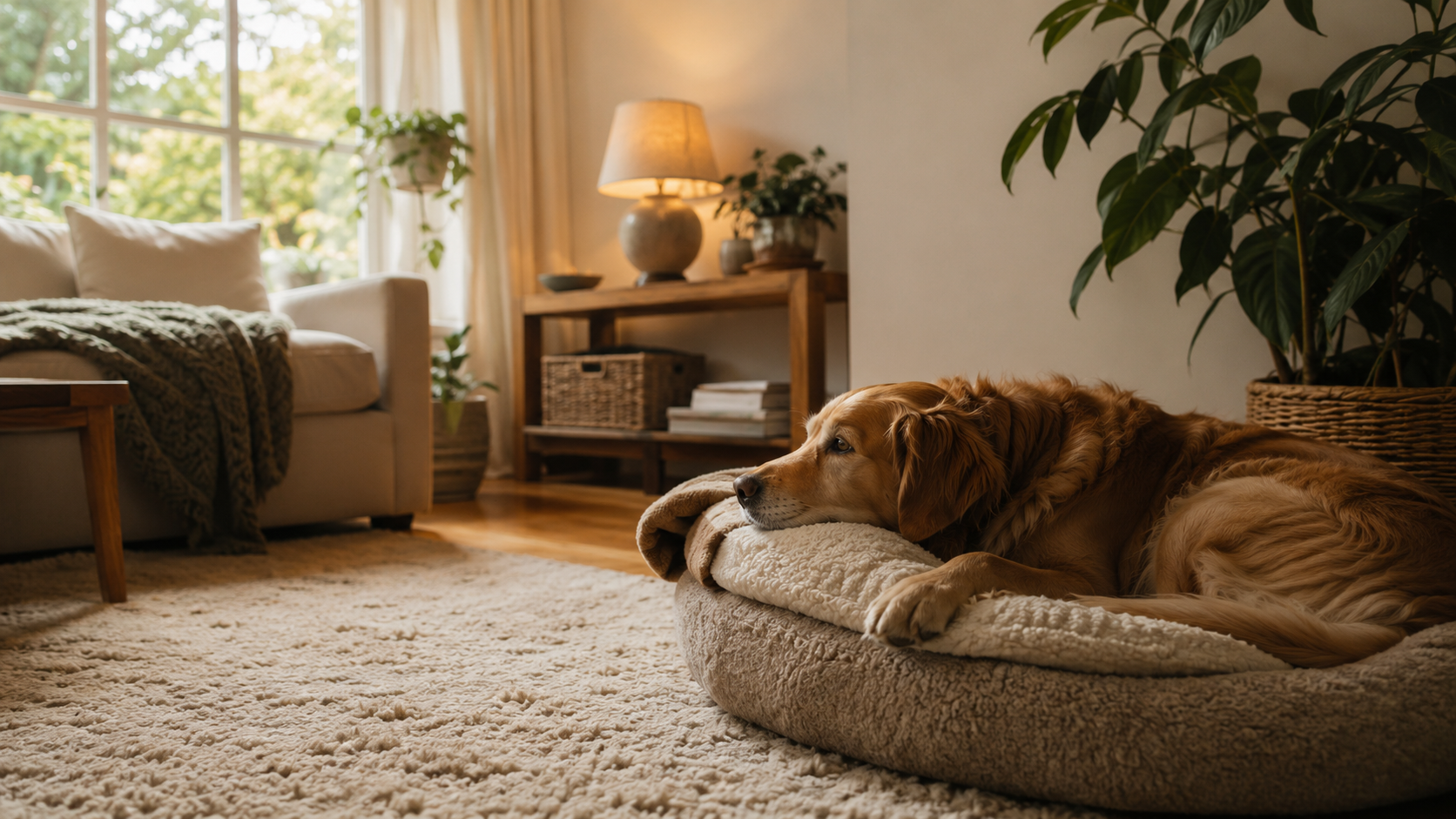
Pets experience the world in ways that are deeply different from how humans do. While we rely heavily on sight and language, animals navigate their surroundings through scent, sound, movement, and subtle changes in energy. Every room, routine, and interaction sends signals that shape how safe or unsettled they feel. Understanding this inner world is a vital part of pet care, because emotional balance begins with how pets interpret their environment.
For pets, home is not just a physical space. It is a sensory landscape. The smells lingering in the air, the tone of voices, the hum of appliances, and the rhythm of daily life all influence their emotional state. A calm environment can help them feel secure, while overstimulation or unpredictability can quietly build stress. This is why sensory comfort for pets matters just as much as food, exercise, and medical care.
Research in animal behavior consistently shows that pets respond strongly to environmental cues. Dogs and cats are especially sensitive to changes in scent and sound. These cues help them decide whether a space feels safe, exciting, threatening, or overwhelming. When pet parents understand how pets experience their environment, they begin to notice patterns in behavior that were previously misunderstood. Restlessness, withdrawal, or sudden bursts of energy often have less to do with discipline and more to do with sensory overload or imbalance.
Scent plays a particularly important role in this process. For animals, smell is closely tied to memory and emotion. Familiar scents can offer comfort and reassurance, while unfamiliar or strong odors may cause unease. This connection between scent and pet behavior explains why some pets relax when exposed to familiar smells and why others become anxious in environments filled with harsh or artificial fragrances. These responses are instinctive, not learned, and they shape daily emotional experiences.
Sensory input does not work in isolation. Sound, light, and spatial arrangement all contribute to pet sensory wellness. Bright lighting late in the evening, loud televisions, or constant background noise can keep a pet’s nervous system on alert. Over time, this makes it difficult for them to fully relax or settle. Creating a calming environment for pets means paying attention to these subtle details and understanding how they combine to influence mood and behavior.
This blog explores the idea that emotional well-being in pets begins with sensory awareness. By learning how pets experience their environment, pet parents can make thoughtful adjustments that support calm and balance. This understanding sets the stage for deeper conversations about scent, routine, and mindful spaces. In the sections ahead, we will look closely at how sensory experiences shape pet behavior and why gentle environmental changes can have a meaningful impact on emotional comfort.
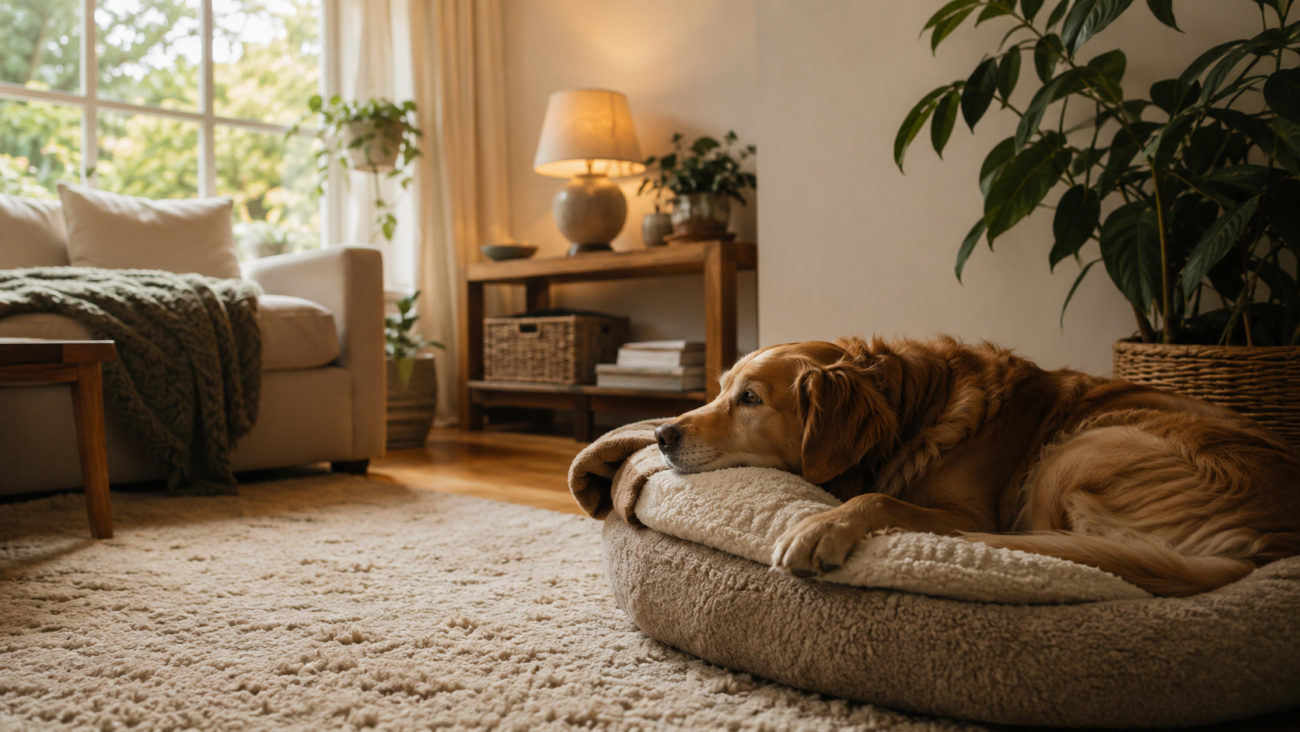
How Pets Experience Their Environment
To understand emotional balance in animals, it is essential to step into their sensory world. Pets do not interpret their surroundings the way humans do. What feels neutral or comforting to us may feel intense or confusing to them. Their senses work together continuously, collecting information that shapes how they respond to everyday situations. This is why understanding how pets experience their environment is central to building emotional stability and trust.
Dogs experience the world primarily through scent. Their sense of smell is vastly more developed than that of humans, allowing them to detect layers of information in a single space. A room carries traces of people, other animals, cleaning products, outdoor air, and past experiences. For a dog, these scents form a story. When the story feels familiar and predictable, they relax. When it feels chaotic or overwhelming, stress can build quietly. This strong link between scent and pet behavior explains why dogs may appear unsettled in places that seem perfectly calm to us.
Cats also rely heavily on scent, but they combine it closely with visual and spatial awareness. They use smell to define territory and safety. Changes in furniture placement, new objects, or unfamiliar scents can disrupt their sense of control. Even small environmental shifts can cause them to retreat or hide until they feel secure again. Their environment is mapped carefully through sensory cues, and stability in those cues supports pet sensory wellness.
Sound plays an equally important role. Pets hear frequencies that humans cannot. Sudden noises, background electronics, or persistent urban sounds can keep their nervous systems alert. While we may tune out a buzzing appliance or traffic noise, pets remain aware of it. Over time, this constant stimulation can lead to restlessness or difficulty settling, especially during evening hours when their bodies are naturally inclined to slow down.
Light and movement also affect emotional comfort. Bright lighting late in the day can interfere with natural rest cycles. Fast-moving visuals from screens may hold attention in ways that prevent relaxation. Pets respond best to gradual transitions from activity to rest. When their surroundings reflect this rhythm, it becomes easier for them to regulate emotions and behavior.
All of these sensory inputs combine to form what we call sensory comfort for pets. When scent, sound, light, and space work together harmoniously, pets feel grounded. When they clash, emotional imbalance follows. A calming environment for pets does not require perfection or silence. It requires awareness and intention. Small adjustments, made consistently, help align the home with a pet’s natural sensory needs.
By recognizing these differences in perception, pet parents gain a deeper understanding of behavior that might otherwise seem puzzling. What looks like stubbornness or hyperactivity is often a response to sensory overload. Learning how pets experience their environment gives us the ability to support them with empathy rather than correction. This awareness lays the groundwork for exploring how gentle sensory cues, especially scent, can be used thoughtfully to support emotional comfort in daily life.
The Power of Scent in Pet Behavior
Among all sensory inputs, scent holds a unique place in shaping animal emotions and responses. For pets, smell is not just a background detail. It is a primary way of understanding safety, familiarity, and change. This deep connection between scent and pet behavior explains why certain environments instantly calm an animal while others trigger unease or withdrawal.
Dogs, in particular, rely on scent to interpret the world. Long before they respond to sound or movement, they process smell. A familiar scent can signal comfort, while an unfamiliar one may alert them to potential threat. This is why dogs often seek out objects that carry their guardian’s scent during stressful moments. The smell represents reassurance and emotional stability. It tells them they are not alone.
Cats also use scent as an emotional anchor. They mark their environment through scent glands to establish safety and control. When that scent landscape is disrupted, through strong fragrances, cleaning chemicals, or unfamiliar smells, cats may feel unsettled. They may hide, avoid certain areas, or show changes in behavior until the space feels predictable again. This reaction is closely tied to how pets experience their environment on a sensory level.
Scent is strongly linked to memory. In animals, the olfactory system connects directly to the part of the brain responsible for emotion and recall. This means that scents are not processed logically. They are felt emotionally. A gentle, familiar smell can remind a pet of calm moments, while a harsh or overpowering odor can trigger stress even if no immediate danger is present. This emotional response happens instinctively and cannot be trained away.
Because of this, scent plays an important role in pet sensory wellness. A home filled with shifting or intense fragrances can overwhelm sensitive animals. Many commercial air fresheners or cleaning products introduce strong chemical scents that linger long after humans stop noticing them. Pets, however, remain exposed. Over time, this can lead to subtle signs of discomfort such as pacing, avoidance, or difficulty settling.
Supporting sensory comfort for pets does not mean eliminating scent entirely. It means being intentional about it. Neutral, familiar smells allow pets to feel grounded. Spaces that smell like home, rather than artificial fragrance, help reinforce emotional safety. When scent supports predictability instead of surprise, it becomes part of a calming environment for pets.
Understanding the power of scent gives pet parents a new lens through which to view behavior. Changes in mood or restlessness are often connected to changes in the sensory landscape. When we pay attention to what our pets are smelling and how those smells make them react, we gain insight into their emotional needs. This awareness prepares us to make gentle, thoughtful adjustments that support calm without forcing behavior.
As we move forward, it becomes clear that scent is not about control or correction. It is about creating an environment that feels emotionally safe. When scent is handled with care, it can support balance and trust, forming an important part of how pets experience their environment and how we nurture their emotional well-being.
When the Environment Overwhelms
Even the most loving homes can unintentionally overwhelm a pet’s senses. What feels like a normal day to us may feel intense to an animal whose senses are always switched on. When sensory input becomes too much, pets struggle to self-regulate. This is often when signs of stress or anxiety begin to surface, not because the pet is difficult, but because their environment no longer feels manageable.
Overstimulation happens when multiple sensory cues compete at once. Loud sounds, strong scents, bright lighting, and constant movement can all pile up. Pets do not have the ability to rationalize or filter these inputs the way humans do. Instead, their nervous system responds by staying alert. Over time, this heightened state becomes exhausting and emotionally draining.
Common signs of sensory overload are easy to miss. Dogs may pace, pant, lick themselves repeatedly, or struggle to settle even when physically tired. Cats may hide for long periods, groom excessively, or become suddenly irritable. These behaviors are often misunderstood as training issues or personality traits, but they are more accurately responses to sensory imbalance. Recognizing these signs is essential to supporting pet sensory wellness.
Urban living presents unique challenges. Traffic noise, construction sounds, elevators, and constant background activity can keep pets on edge. Indoor environments also contribute. Televisions running all day, strong household cleaners, artificial air fresheners, and inconsistent lighting disrupt a pet’s natural rhythm. While humans adapt quickly, pets remain continuously aware. This ongoing stimulation affects how pets experience their environment and how safe they feel within it.
Scent overload is particularly impactful. Strong or unfamiliar smells linger longer for pets than for humans. What seems like a pleasant fragrance to us can feel invasive to an animal. When scent constantly changes or becomes overpowering, it interferes with the pet’s ability to relax. This directly affects scent and pet behavior, often leading to restlessness or avoidance of certain areas in the home.
A calming environment for pets begins with awareness rather than restriction. It does not require removing all stimuli, but it does require balance. Soft lighting in the evenings, reduced noise during rest hours, and limiting strong fragrances help restore sensory comfort for pets. Giving animals control over where they rest and how close they are to stimulation also supports emotional regulation.
When the environment becomes predictable and gentle, pets begin to recover their sense of safety. Their behavior softens, their sleep improves, and their interactions become more relaxed. Understanding when the environment overwhelms them allows pet parents to respond with empathy and thoughtful adjustment. This awareness sets the stage for creating sensory balance that supports long-term emotional well-being.
Sensory Balance and Emotional Wellness
When a pet’s sensory world feels balanced, emotional stability follows naturally. Sensory balance is not about removing stimulation entirely. It is about creating an environment where signals feel gentle, predictable, and supportive rather than overwhelming. This balance plays a central role in emotional health and long-term pet sensory wellness.
Pets rely on consistent sensory cues to understand what is happening around them. When these cues remain steady, their nervous system stays regulated. When they change suddenly or compete for attention, stress increases. Emotional wellness grows when the home environment aligns with a pet’s natural rhythms and sensitivities. This is why sensory comfort for pets is closely linked to how relaxed, confident, or anxious they appear in daily life.
Emotional regulation in animals begins with safety. A space that feels safe allows the body to move out of alert mode and into rest. This shift supports digestion, sleep, and social interaction. Dogs that feel secure are more likely to settle easily, engage in play appropriately, and respond calmly to new situations. Cats that feel emotionally balanced explore their environment with curiosity rather than caution. These behaviors reflect how pets experience their environment on a deeper emotional level.
Scent, sound, and light all contribute to this balance. Gentle background sounds can mask sudden noises. Soft lighting in the evening signals rest. Familiar smells reinforce a sense of belonging. When these elements work together, they form a calming environment for pets that supports emotional resilience. The goal is not stimulation but comfort. A pet does not need constant excitement to feel fulfilled. They need emotional steadiness.
Scent plays a subtle yet powerful role in this process. Because scent is tied so closely to emotion, it can either support or disrupt balance. When handled thoughtfully, it becomes part of emotional comfort rather than a source of stress. This is where understanding scent and pet behavior becomes essential. Pets respond best to mild, familiar sensory input that does not demand attention but quietly reinforces calm.
Pet sensory wellness improves when pet parents begin to see emotional health as a daily practice rather than a reaction to stress. Small changes, such as reducing harsh scents, lowering noise during rest hours, or maintaining consistent routines, make a meaningful difference. These adjustments do not require specialized tools or constant effort. They require observation and intention.
Sensory balance is not about perfection. It is about responsiveness. When pet parents notice signs of restlessness or withdrawal and respond by softening the environment, they help restore emotional equilibrium. Over time, this creates a home where pets feel understood and supported. This balanced approach prepares the way for deeper conversations about how specific sensory elements, including scent, can be used thoughtfully to support calm and comfort in everyday life.
Creating a Mindful Home Environment
A mindful home environment is one that considers how everyday details affect a pet’s emotional state. It does not rely on rules or rigid structure. Instead, it is built through awareness, consistency, and small choices that support sensory comfort for pets. When the home feels intentional rather than chaotic, pets find it easier to relax and feel secure.
Mindfulness begins with observing how pets move through a space. Where do they choose to rest when they feel calm. Which areas do they avoid during busy moments. These patterns offer clues about how pets experience their environment. Some pets seek quiet corners away from foot traffic, while others stay close to familiar routines like meal preparation or evening rest. Respecting these preferences helps reinforce trust and emotional balance.
Sound is one of the easiest elements to adjust. Lowering volume during rest hours, avoiding sudden loud noises, and creating predictable quiet times can significantly reduce stress. Gentle background sounds, such as soft music or consistent white noise, can help mask unpredictable disturbances. This supports pet sensory wellness by giving the nervous system fewer surprises to process.
Lighting also shapes mood. Bright overhead lights late in the evening can keep pets alert when their bodies are ready to slow down. Softer lighting helps signal rest and supports natural rhythms. Dimming lights gradually in the evening mirrors the transition from day to night and contributes to a calming environment for pets.
Scent should be handled with care and restraint. Homes filled with strong fragrances often feel overwhelming to animals. Choosing neutral, familiar smells and avoiding frequent changes allows pets to feel grounded. This does not mean eliminating scent entirely, but being mindful of how it affects scent and pet behavior. A stable scent environment supports emotional safety.
Spatial consistency matters as well. Rearranging furniture frequently or introducing many new objects at once can disrupt a pet’s sense of control. Keeping certain areas predictable helps them navigate their environment with confidence. A designated rest space, used consistently, becomes a powerful signal of comfort and security.
Creating a mindful home environment is not about constant monitoring. It is about thoughtful habits that support emotional well-being naturally. When pets feel seen and accommodated, they respond with calm, curiosity, and trust. These small, intentional adjustments form the foundation of long-term pet sensory wellness and prepare pet parents to explore how specific sensory tools can further support emotional comfort in daily life.
The Role of Scent in Emotional Comfort
Scent has a quiet but lasting influence on how pets feel within a space. Unlike sound or movement, which come and go, scent lingers. It becomes part of the emotional background of a home. For pets, this makes scent one of the most powerful contributors to emotional comfort, especially when the environment is meant to support rest and calm.
Because scent is processed directly in the emotional centers of the brain, pets respond to it instinctively. They do not analyze or question what they smell. They feel it. Familiar and gentle scents can reinforce a sense of safety, while unfamiliar or intense smells can trigger alertness or unease. This is why scent and pet behavior are so closely connected, even when the influence is subtle.
Pets often associate certain smells with people, places, or routines that make them feel secure. A blanket that smells like home, a favorite resting spot, or the presence of a trusted person all contribute to emotional grounding. When scent supports familiarity rather than surprise, it strengthens a pet’s sense of belonging. This reinforces sensory comfort for pets without demanding attention or action from them.
At the same time, scent can easily become overwhelming if it is too strong or constantly changing. Pets experience smell more intensely than humans do, and what feels mild to us may feel intrusive to them. This is why stability matters more than variety. A consistent scent environment allows pets to relax and predict what comes next. This stability plays a key role in pet sensory wellness and emotional regulation.
When used thoughtfully, scent becomes part of a calming environment for pets. It supports the transition from activity to rest and helps signal that it is safe to slow down. The goal is never to force calm, but to create conditions where calm can arise naturally. Scent works best when it blends into the environment rather than standing out.
Understanding the role of scent helps pet parents approach it with intention rather than impulse. It encourages observation over experimentation. When pets show signs of ease, such as resting more deeply or settling more quickly, it is often because the environment feels emotionally predictable. This awareness prepares the ground for deeper exploration into how scent can be used responsibly as part of mindful pet care.
As we move toward the conclusion of this blog, it becomes clear that scent is not an isolated solution. It is one element within a larger sensory picture. When combined with thoughtful routines, gentle sound, and a stable environment, scent supports emotional comfort in a way that feels natural and respectful to how pets experience their environment.
Moving From Awareness to Practice
Understanding how pets experience their surroundings is the first step toward meaningful change. Awareness creates empathy, and empathy shapes better choices. When pet parents begin to see their homes through a sensory lens, everyday care becomes more intentional and supportive. This shift from reaction to awareness is what turns routine pet care into mindful practice.
Applying this understanding does not require dramatic changes. It begins with observation. Notice how your pet responds to different times of day, sounds, scents, and spaces. Pay attention to where they settle most easily and when they seem restless. These patterns reveal how pets experience their environment and what helps them feel grounded. Responding to these cues builds trust and emotional stability over time.
Practice also means consistency. Emotional comfort grows when sensory cues remain predictable. Maintaining steady routines, familiar resting areas, and gentle transitions between activity and rest supports pet sensory wellness. When the environment feels reliable, pets are less likely to remain in a constant state of alertness. This reliability forms the backbone of a calming environment for pets.
Scent awareness plays a role here as well. Rather than constantly introducing new fragrances, thoughtful use of stable and gentle scent cues helps reinforce emotional comfort. When scent aligns with rest and familiarity, it becomes part of sensory comfort for pets rather than a distraction. This mindful approach to scent and pet behavior encourages calm without forcing it.
Moving from awareness to practice also involves patience. Emotional regulation does not happen instantly. Pets learn safety through repetition and consistency. Small adjustments, repeated daily, gradually reshape how they feel within their environment. Over time, pets become more confident, settle more easily, and respond with trust rather than tension.
This blog has focused on understanding the sensory world of pets and how it shapes emotional well-being. The next step is exploring how specific sensory tools, used responsibly and with care, can support this balance even further. In the next piece, we will look more closely at scent as a structured part of mindful environments, examining how it can be used safely and thoughtfully as part of a pet’s daily routine. This progression allows pet parents to move forward with confidence, guided by understanding rather than assumption.